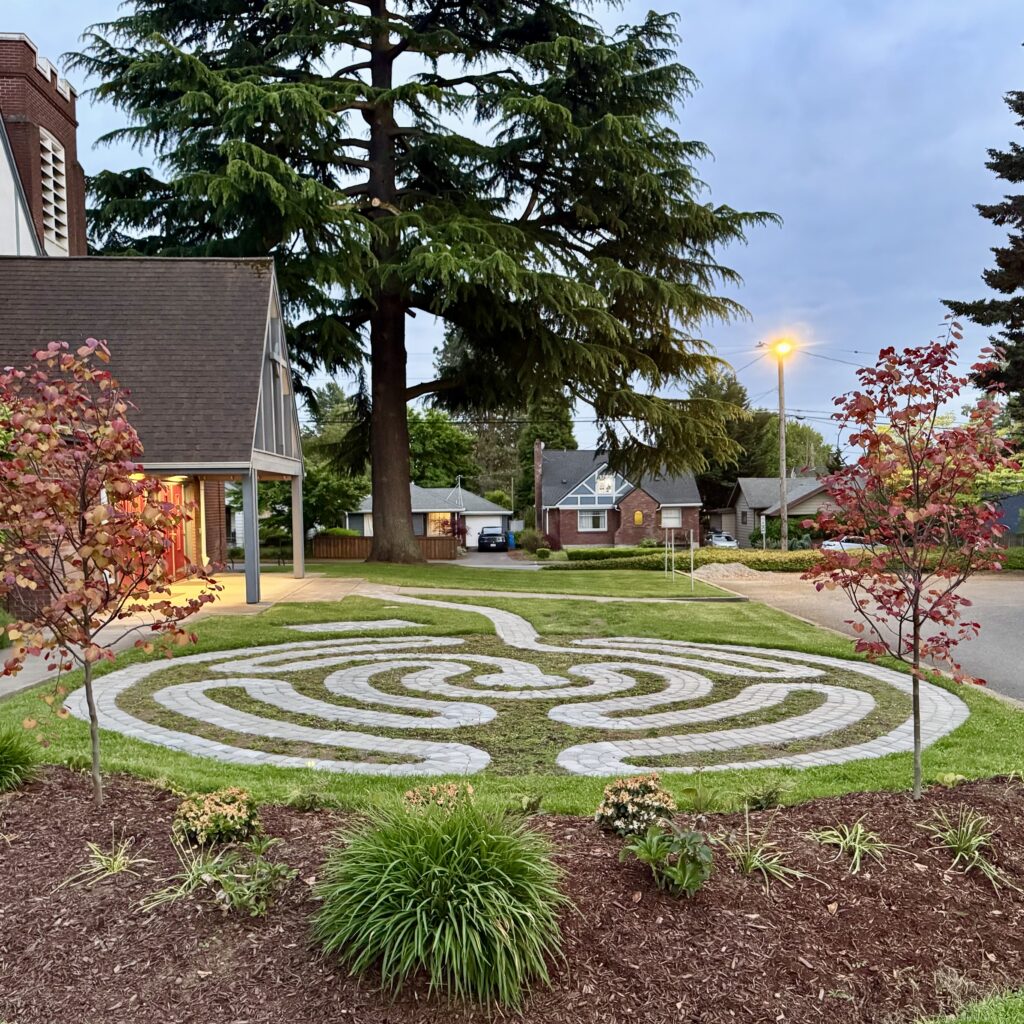
St. Luke’s ~ San Lucas Episcopal Church has unveiled a newly constructed outdoor labyrinth, offering parishioners and the wider community a sacred space for prayer, reflection, and connection. The project reflects the Episcopal Diocese of Olympia’s ongoing emphasis on intentional discipleship and community engagement.
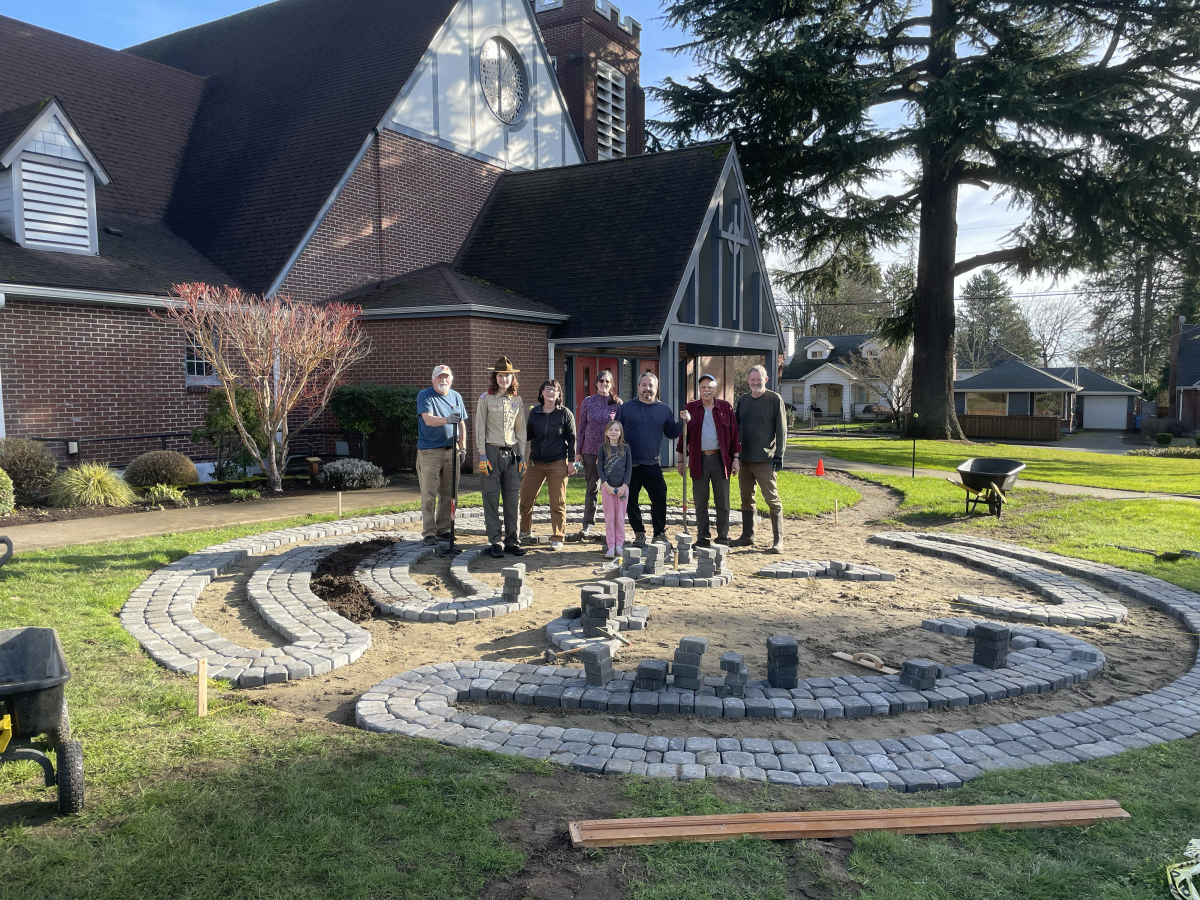
The labyrinth, which spans a 28-foot radius and features 4,800 pavers, was the result of months of planning and hands-on effort by parishioners, community members, and local Boy Scouts. According to the Rev. Alfredo Feregrino, priest-in-charge of St. Luke’s ~ San Lucas, the creation of sacred spaces was one of the three goals outlined in his mutual ministry agreement when he joined the church a year and a half ago.
“Sacred spaces invite people into prayer and reflection,” said the Rev. Feregrino. “I wanted to create a place that not only serves our congregation but opens our grounds to the whole community.”
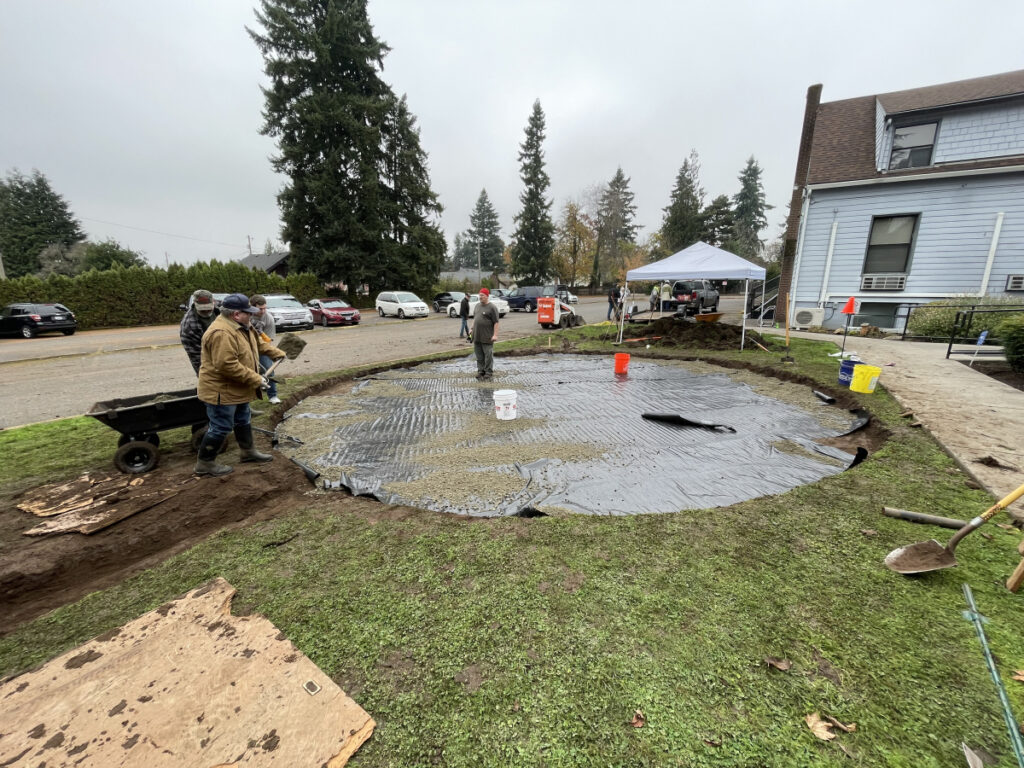
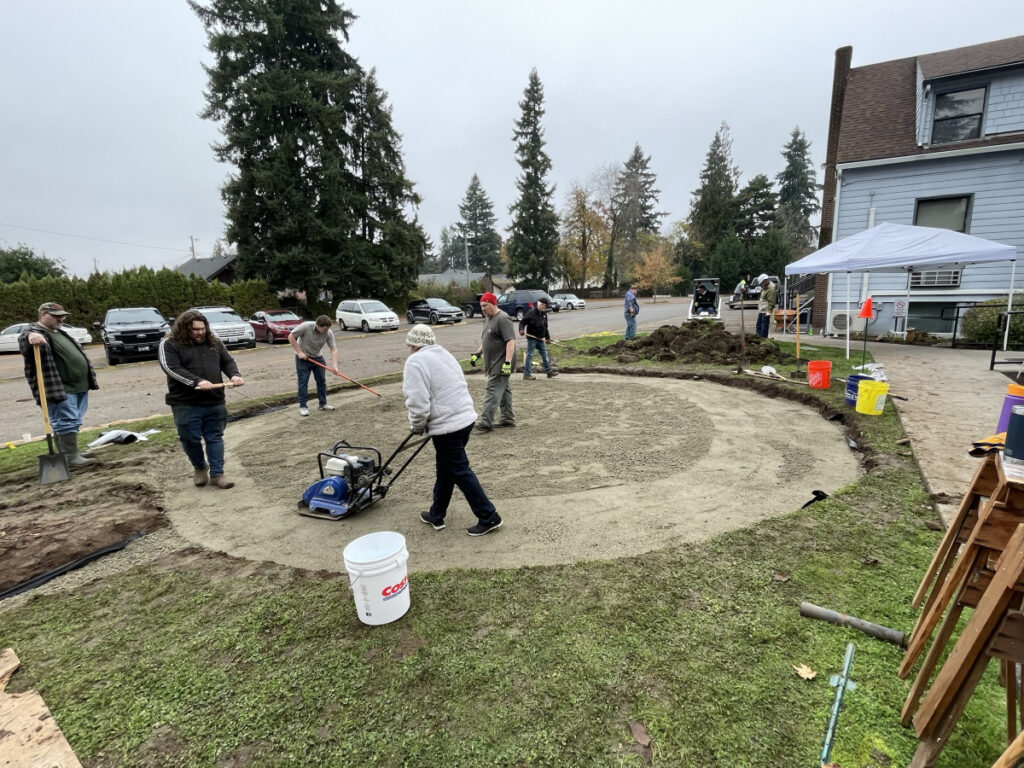
The labyrinth’s construction became a true group effort. Parishioners provided labor, Senior Warden John Mathieu managed the engineering and layout, and an Eagle Scout project coordinated excavation, material donations, and the installation of pavers. Local suppliers even contributed sand and gravel at a discount, turning the project into a testament of communal spirit.
The labyrinth was blessed on Palm Sunday during Holy Week, and it has already drawn parishioners to its winding paths. While some challenges remain—particularly around accessibility for those with mobility limitations—the church sees the space as a strong first step in cultivating more areas for spiritual reflection.
St. Luke’s ~ San Lucas, the first Episcopal congregation in the Pacific Northwest, continues to explore ways to honor its rich history while responding to the Diocese of Olympia’s call to discipleship. Future projects may include creating memorial or devotional spaces that highlight the church’s deep connections to local military history.
“We encourage other churches to look at the spaces they have and imagine how they can serve both the congregation and the wider community,” the Rev. Feregrino said. “You don’t have to reinvent the wheel—start with prayer, listen to your people, and let your imagination guide you.”
The labyrinth stands as a visible and tangible sign of that vision: a place where faith, history, and community meet in quiet reflection and shared purpose.